
The Allure of Risk and Reward
The thrill of gambling at a casino often hinges on the concepts of risk and reward. This psychological dynamic is deeply rooted in human behavior; the adrenaline rush that accompanies potential wins can be intoxicating. Many players are driven by the excitement of placing a bet, knowing that with one roll of the dice or draw of a card, their fortunes could change dramatically. Additionally, it’s no surprise that enthusiasts often wager on events like the super bowl coin toss to capitalize on the randomness of outcomes.
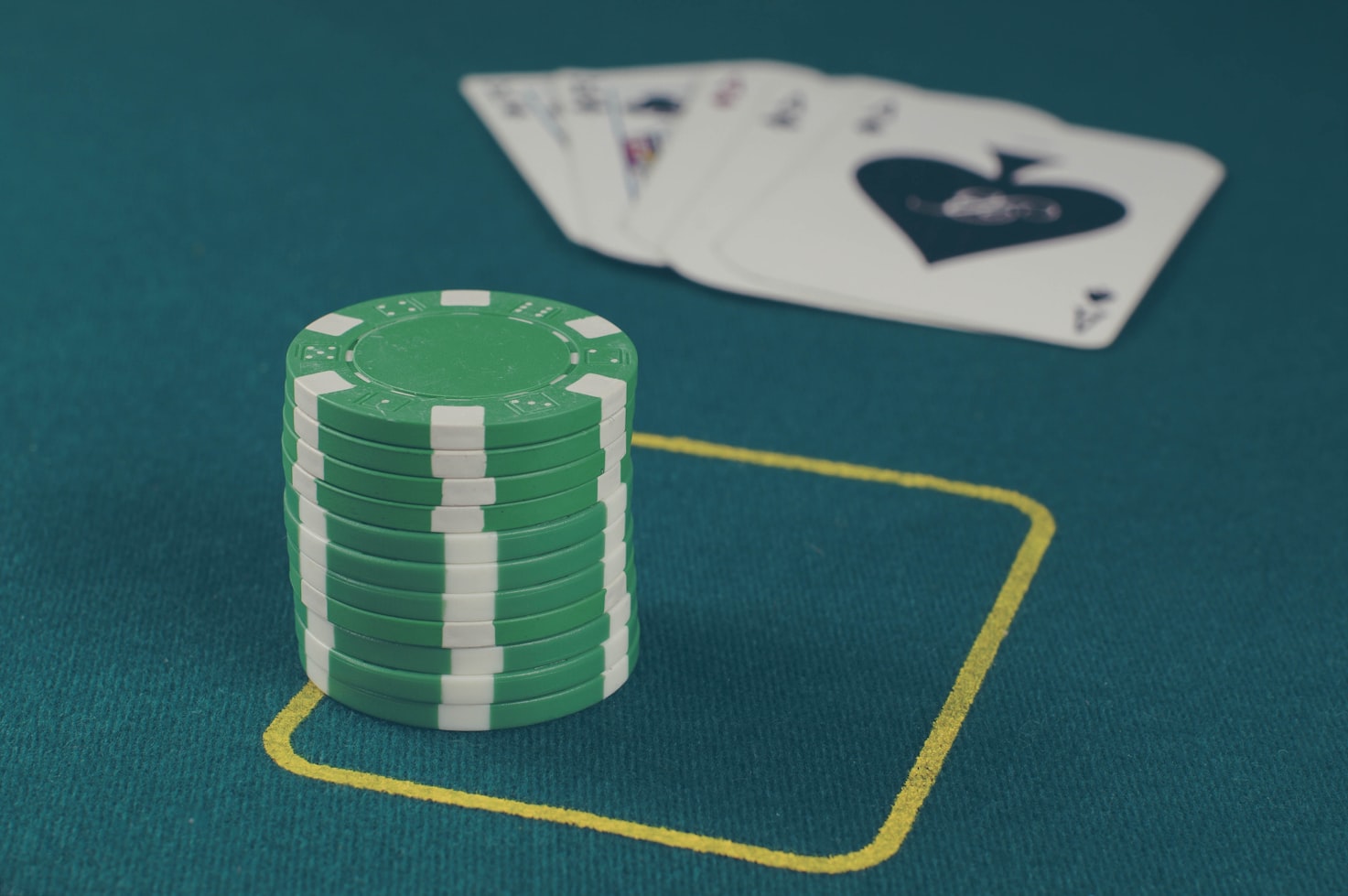
This relationship with risk is complemented by the potential for immediate gratification. Winning can trigger a dopamine release in the brain, creating a sense of euphoria. This chemical reaction reinforces the desire to keep playing, often leading to irrational decision-making and an underestimation of the odds involved.
The Role of Superstitions in Gambling
Superstitions play a significant role in shaping a gambler’s behavior and strategy. Many players believe in “lucky” charms or rituals that they think will enhance their chances of winning. This psychological phenomenon is rooted in cognitive biases, where individuals ascribe meaning to random events. For instance, a gambler might wear a specific outfit or follow a unique routine before placing bets, convinced that these actions will lead to a successful outcome.
Moreover, superstitions can increase players’ emotional investment in the game. The belief that certain actions will bring good luck often creates a heightened sense of control, despite the inherent randomness of gambling. Such behaviors can contribute to a player’s overall experience at the casino, impacting how they approach the gaming tables and machines.
The Impact of Environment on Gambling Behavior
The design and atmosphere of a casino are meticulously crafted to influence players’ psychology. Bright lights, captivating sounds, and the buzz of excitement create an environment that stimulates the senses. This sensory overload can lead to a disconnection from rational thinking, encouraging players to spend more time and money than they originally planned.
Additionally, the layout of casinos is often strategic, designed to keep players engaged and disoriented. Features such as the lack of clocks and windows can make it difficult for gamblers to track time, prolonging their stay. This careful orchestration of the environment plays a crucial role in enticing players to return, often contributing to the overall success of the casino.
The Psychology of Loss Aversion
Loss aversion is a cognitive bias that significantly influences gambling behavior. This psychological principle suggests that people tend to prefer avoiding losses rather than acquiring equivalent gains. In a casino setting, this can manifest as players continuing to gamble in an attempt to recover previous losses, leading them down a potentially destructive path.
Understanding this mindset can provide insights into why some individuals struggle to leave the gaming tables. The fear of missing out on a potential win can overpower logical reasoning, prompting players to chase their losses rather than walk away. This cycle can create a tumultuous relationship with gambling, where the pursuit of wins is overshadowed by the consequences of losses.

Enhancing Your Casino Experience with Informed Choices
The website serves as a valuable resource for those looking to navigate the complexities of casino gambling. By providing insights into the psychology behind winning, it empowers users to make informed decisions while gaming. Understanding the mental aspects of gambling can enhance the overall experience, leading to a more enjoyable and responsible approach.
In addition to offering educational content about psychological principles, the site emphasizes the importance of self-awareness and responsible gambling practices. Armed with knowledge, players can better manage their expectations and behaviors, ensuring that their casino visits remain a fun and entertaining adventure rather than a source of stress or regret.

Nedavni komentarji